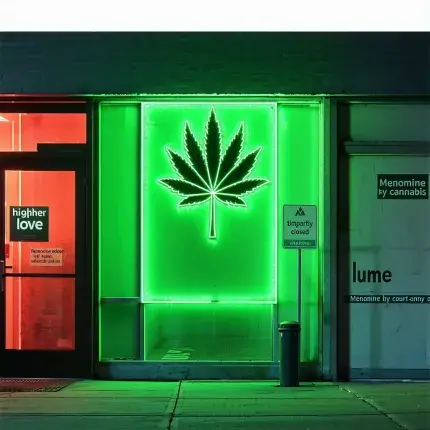

In Menominee, Michigan, a judge's temporary restraining order last Friday forced the closure of three cannabis dispensaries—Higher Love, Nirvana Center, and Lume Cannabis Company—sparking a fierce legal showdown with the city's two remaining shops, Rize and The Fire Station. This dispute underscores the volatile competition in Michigan's post-legalization marijuana market, threatening jobs and local economies.
Key Developments in the Shutdown
The closures stem from lawsuits by Rize and The Fire Station, alleging the city council violated Michigan's open meetings law when passing a new ordinance that expanded retail permits. Originally, only Rize and The Fire Station received licenses in 2021; later entrants sued and gained approval under relaxed rules.
- Higher Love, Nirvana Center, and Lume shuttered abruptly, idling over 70 employees at Lume alone.
- Customers flocked to the open shops, with lines forming immediately after news broke.
- Attorneys for the closed dispensaries back the city's motion to dissolve the order, citing full legal compliance.
Background on Michigan's Cannabis Landscape
Michigan legalized recreational marijuana in 2019, unleashing rapid industry growth but also regulatory headaches. Small cities like Menominee, with just 12,000 residents, now host five dispensaries—a saturation level experts liken to oversupply in emerging markets. Initial permit caps favored early applicants, but council changes "uncapped" licenses, prompting claims of unfair advantages and procedural lapses.
This mirrors statewide trends: Michigan boasts over 700 retail licenses, yet disputes over zoning, equity, and competition proliferate as operators invest heavily upfront, only to face shifting rules.
Economic Ripples and Community Divide
The shutdowns have immediate fallout, with workers filing for unemployment and loyal customers like Angela Belling lamenting her favorite spot's closure. Proponents of the open shops argue for equal enforcement, while opponents decry anti-competitive tactics. Broader implications include stunted tax revenue—Michigan collected $449 million in cannabis taxes last year—and lessons for other border towns drawing Wisconsin buyers due to stricter neighboring laws.
- Market flood: Five shops for 12,000 people raises sustainability questions.
- Job losses: Dozens affected, highlighting retail's fragility in nascent industries.
- Consumer shift: Traffic surged at survivors, boosting their bottom lines short-term.
Outlook and Broader Lessons
A hearing next week will decide the dispensaries' fate, potentially until a new ordinance passes. This case highlights the growing pains of cannabis legalization: balancing free markets with fair regulation amid economic booms. For communities like Menominee, resolving such battles could stabilize growth, prevent monopolies, and ensure benefits from a $3 billion industry reach workers and taxpayers alike.