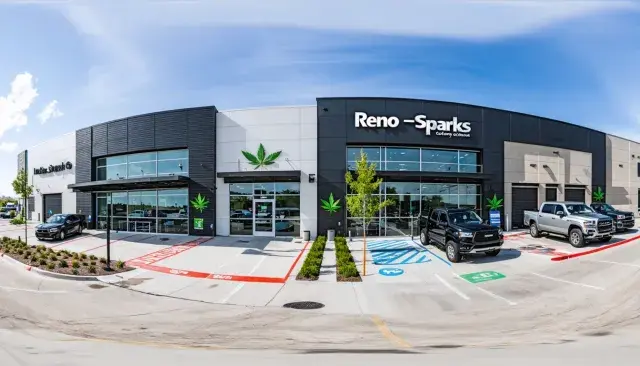
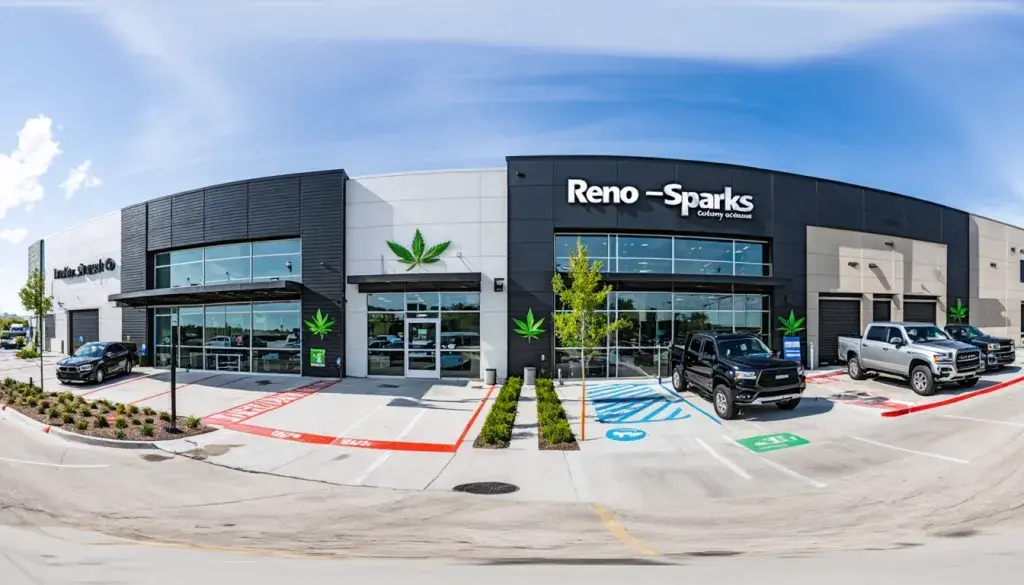
The Reno-Sparks Indian Colony (RSIC) announced Friday plans to open two drive-through cannabis dispensaries on tribal land in south Reno and Verdi, marking a significant expansion in Nevada's cannabis retail landscape. This move promises economic growth for the tribe while offering convenient access to regulated products amid rising demand.
Key Details of the New Facilities
Both dispensaries, operated by RSIC-owned Three Nations Cannabis, will provide full-service options including drive-through lanes and are slated to open in January. The south Reno site at 11570 S. Virginia St.—formerly an Infiniti dealership—spans 12,200 square feet, positioning it as Reno's largest cannabis dispensary.
- Verdi location: 420 Highway 40 West, off Interstate 80
- Full-service model with drive-through for quick, contactless purchases
- Exclusive operation on sovereign tribal land
Economic Diversification and Tribal Benefits
RSIC Chairman Arlan Melendez emphasized the venture's role in the tribe's economic strategy, stating it will create well-paying jobs for tribal members and the public while funding essential services. Revenue could bolster elder care, education, health initiatives, housing, infrastructure, language preservation, and youth programs. In Nevada's booming cannabis market—valued at over $1.5 billion annually since legalization—these tribal outlets tap into a sector where indigenous enterprises often thrive due to sovereignty, bypassing some state-level hurdles.
Regulatory Compliance and Broader Implications
The dispensaries will adhere to the 2020 Cannabis Agreement between Nevada and RSIC, ensuring product safety, testing, and consumer protections akin to state standards. This development reflects wider trends in cannabis normalization: drive-through models surged post-pandemic for hygiene and efficiency, while tribal cannabis operations nationwide have generated billions, fostering self-reliance. For communities like Reno-Sparks, it signals empowerment through regulated retail, potentially reducing black-market risks and supporting public health via quality-controlled access.