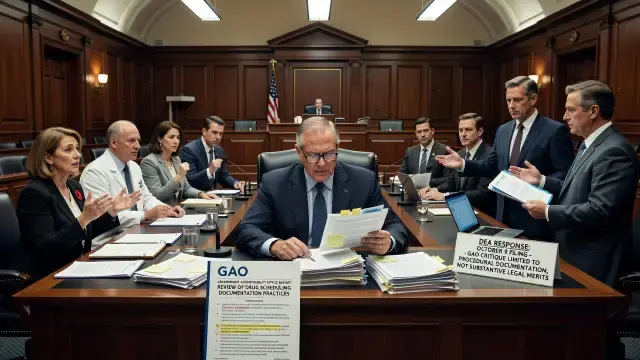
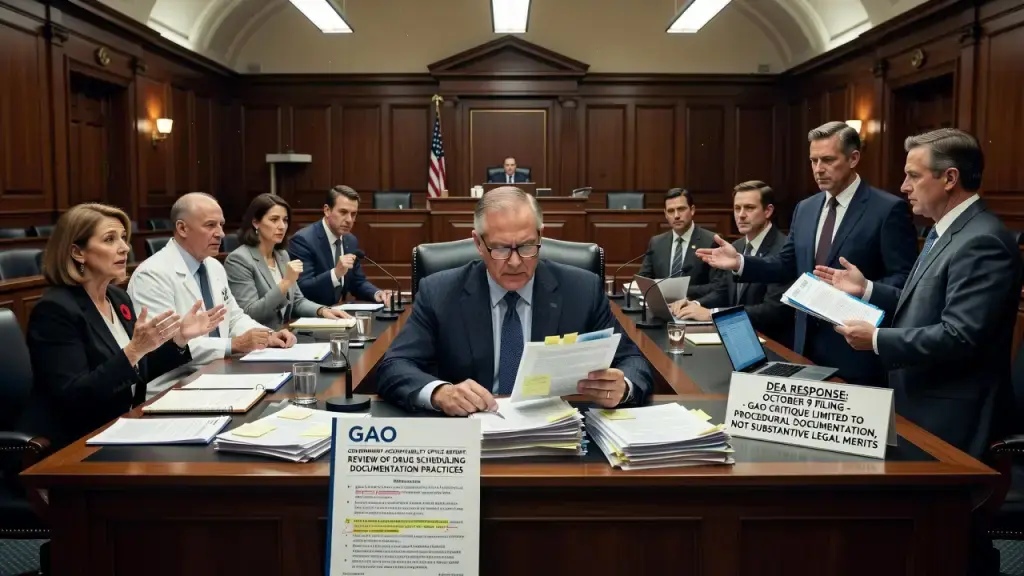
The administrative record in the DEA's marijuana rescheduling proceeding was supposed to be closed. Briefs filed, transcripts released, the matter teed up for a recommendation. Instead, the presiding judge has reopened the door to new motions, new replies, and potentially new testimony - a development that pushes an already strained timeline further from the "expedited" label Attorney General Todd Blanche attached to it back in April.
How a Closed Record Got Reopened
Derek C. Julius, the DEA's chief administrative law judge, granted a motion on Oct. 14 allowing anti-rescheduling parties to reply to the agency's own opposition filing. He also ordered the DEA to respond, by Oct. 21, to a separate request from those same parties to reopen the hearing for "limited discovery and testimony." Neither motion settles anything yet. What it does is extend a stay that was supposed to be brief, and it keeps the hearing's final certification in limbo while the parties argue over a single document: a Sept. 23 Government Accountability Office report that found gaps in how DEA memorializes its drug scheduling decisions.
Three of the seven anti-rescheduling parties that participated in the original 11-day hearing - DUID Victim Voices, Kenneth Finn, M.D., and the National Drug and Alcohol Association - argue the GAO findings amount to new evidence supporting Schedule I status for cannabis. The DEA disagrees, and its Oct. 9 filing draws a distinction that matters a great deal here: the report criticizes documentation practices, not the legal substance of the rescheduling analysis itself. "Such distinction does not constitute new evidence to warrant additional briefing and further delay of this process," the agency's counsel wrote.
Why the Procedural Fight Matters to Operators
For dispensary owners, multi-state operators, and the wholesale and compliance vendors building business models around eventual Schedule III status, this is not a side issue. It's the main event. A move to Schedule III would reshape the economics of the industry - most notably by removing cannabis businesses from the reach of Internal Revenue Code Section 280E, which currently bars standard business deductions for companies trafficking in a Schedule I or II substance. That single change affects tax bills, margin calculations, and investment underwriting across the sector.
Every procedural delay pushes that outcome further out. And the mechanism here is worth understanding: this hearing exists specifically because Blanche ordered a "new expedited hearing with set deadlines" in April, after the original rulemaking process stalled. The record was supposed to close in July, with post-hearing briefs filed in August and transcripts released days later. Reopening it now - even for a narrow discovery request tied to one government report - sets a precedent that cuts against the entire premise of an expedited proceeding.
The Slippery-Slope Problem
Here's the catch for anyone tracking this closely: if a GAO report issued after the hearing record closed can justify reopening the process, what happens the next time a federal agency, inspector general, or oversight body publishes something tangentially related to drug scheduling? In practice, the hearing could face a rolling series of stay requests every time new paperwork surfaces, regardless of whether that paperwork actually challenges the legal basis for rescheduling. Julius hasn't admitted the GAO report into the record yet, let alone ruled on reopening testimony. But the fact that the question is live at all signals how fragile the "set deadlines" framing has become.
What Operators Should Watch Next
- Whether Julius admits the GAO report into the administrative record, and on what grounds
- The DEA's Oct. 21 response on reopening the hearing for discovery and testimony
- Whether any additional federal reports or filings emerge that opponents could cite as further "new evidence"
- The eventual nonbinding recommendation Julius sends to DEA Administrator Terry Cole, and how much weight Cole gives it
None of this changes current compliance obligations. Cannabis remains a Schedule I substance under federal law today, and state-level licensing, seed-to-sale tracking, packaging, and testing requirements are unaffected by the procedural wrangling in Washington. But for operators modeling future tax exposure or planning capital raises around a rescheduling timeline, the message is plain: the calendar everyone assumed - hearing closed, recommendation issued, decision made - no longer holds with the certainty it once did.