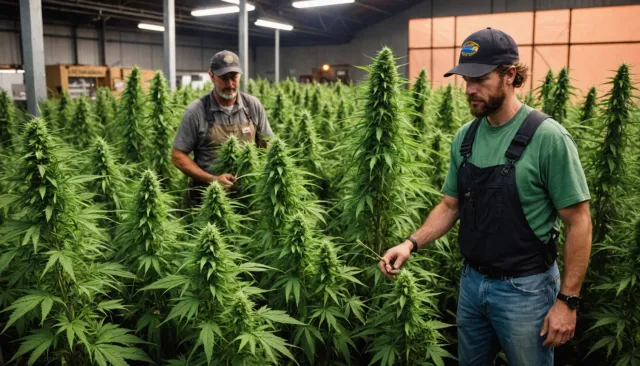
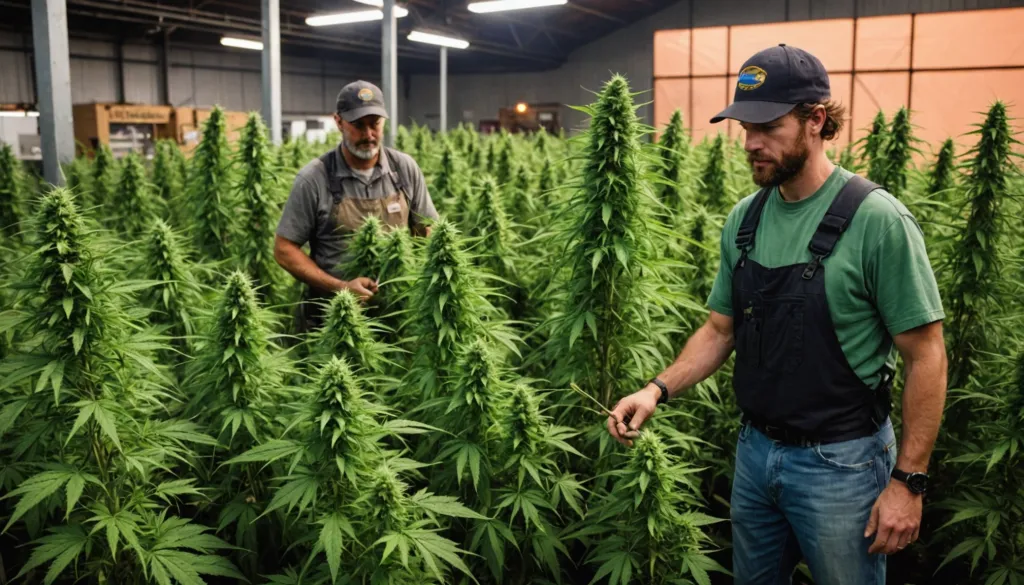
A federal deadline set for December could reshape a Pennsylvania hemp industry that operators estimate generates roughly a billion dollars a year in the state. Lawmakers in Washington and in Harrisburg are weighing tighter restrictions, or an outright ban, on hemp-derived products that contain Delta 9 THC - a move that has hemp farmers and retailers in Lancaster County watching closely.
Jake Sitler, founder of the hemp brand Endo and president of the Pennsylvania Hemp and Cannabis Guild, sells CBD-based beverages, gummies and topicals that also contain trace amounts of Delta 9 THC and other minor cannabinoids. He's opening storefronts in Lancaster and Marietta even as the regulatory picture darkens. Like many small hemp retailers navigating compliance logs, batch testing and age-restricted sales, Sitler's operation depends on the same back-end infrastructure that licensed cannabis dispensaries use - inventory tracking, compliant packaging records and point-of-sale systems such as marijuana pos software that log transactions and help enforce purchase-age rules at the counter. marijuana pos software
A Loophole Closes, and the Industry Feels the Squeeze
The 2018 farm bill legalized hemp cultivation and hemp-derived products nationally, provided they contained less than 0.3% Delta 9 THC by dry weight. That threshold, though, left room for manufacturers to infuse beverages and edibles with intoxicating amounts of THC while still technically complying with the law - the so-called loophole that Congress recently moved to close. Pennsylvania Attorney General Dave Sunday has said his concern centers on exactly that gap: products reaching consumers with little oversight on potency, labeling or age verification.
For dispensary operators in the state's separate, tightly licensed medical cannabis program, the hemp market's looser rules have long been a sore point. Medical cannabis operators answer to seed-to-sale tracking, state-mandated lab testing with certificates of analysis, and steep tax and licensing costs. Hemp retailers selling THC-infused drinks off a gas station shelf have not faced the same requirements. That disparity is part of what's driving lawmakers to act.
What a Ban Would Mean for Small Operators
Sitler argues a blanket ban would be blunt where a scalpel is needed. "There's been a bad side to the industry that's really hurt, and we've done a job of just saying we are not like that," he said, noting a segment of hemp business owners already operate responsibly, with age-gated storefronts and compliant packaging. He's advocated within the Guild for regulation that protects farmers and small retailers rather than eliminating the category outright.
The stakes extend beyond retail shelves. A federal ban would ripple through Pennsylvania's agricultural supply chain - from growers and processors to wholesale buyers and the beverage and topical brands built on hemp-derived cannabinoids. Operators who invested in compliant infrastructure, testing partnerships and retail buildouts stand to lose that capital if Congress opts for prohibition over regulation.
The Compliance Gap Regulators Want Closed
- Age verification: Sitler posts 21-and-over signage, but no uniform state law currently mandates it for hemp products.
- Potency disclosure: Unlike licensed dispensaries, many hemp retailers aren't required to post lab-verified THC content at point of sale.
- Product testing: Consistent, third-party lab testing isn't uniformly required across the hemp beverage and edible category.
- Tax treatment: Hemp products largely sidestep the excise tax structure applied to state-licensed adult-use and medical cannabis.
Whatever Congress and Harrisburg decide by December, the outcome will set the terms for how - or whether - Pennsylvania's hemp sector operates alongside its more heavily regulated cannabis program going forward.