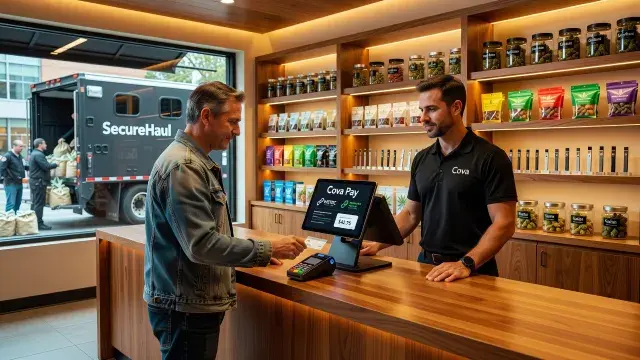
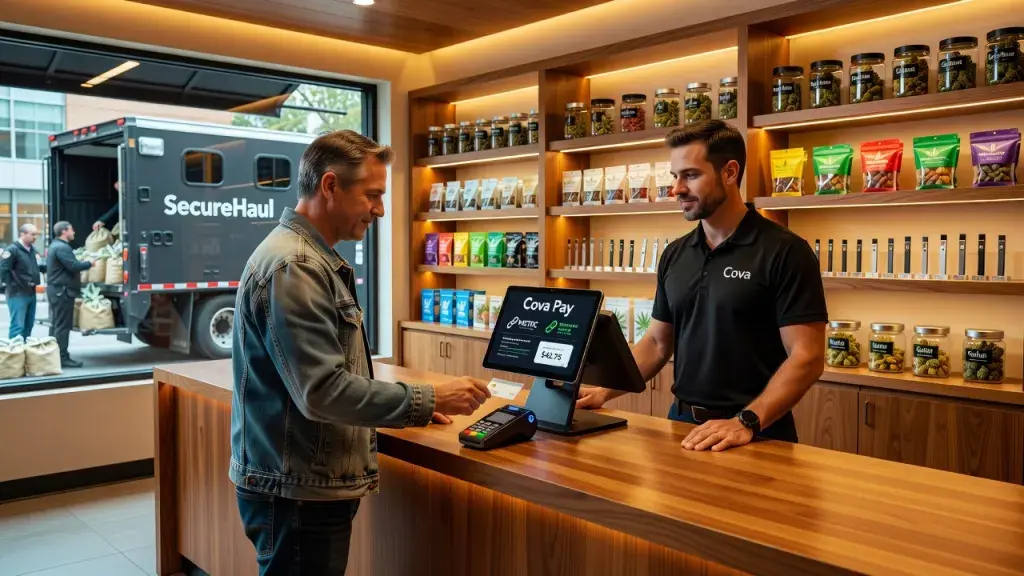
Cova Software, a point-of-sale and inventory tracking platform used by more than 2,000 dispensaries across North America, is rolling out debit card processing for its U.S. retail customers through a new service called Cova Pay. ACH processing is expected to follow later this year. The move addresses a problem that has dogged American cannabis retail since the first adult-use stores opened: a lack of reliable, bank-backed payment infrastructure.
Why Cash Still Dominates Dispensary Counters
Federal law still treats cannabis as a Schedule I substance, which means most national banks and major card networks won't touch transactions tied to plant-touching businesses. That's not a technicality - it's the reason so many dispensaries have run cash-only counters for over a decade, with budtenders counting bills at close and armored cars hauling deposits to credit unions willing to take the risk. Cashless ATM workarounds and point-of-sale debit systems have filled some of the gap, but many of those setups have drawn scrutiny from card networks for miscoding transactions. Cova says it's bringing the same debit and credit infrastructure it has run in Canada since federal legalization there in 2018 to the U.S. side of its business, framing it as a more durable alternative to patchwork cashless solutions.
What Changes for Store Operators
For a dispensary manager, cash handling isn't just inconvenient - it's a compliance and security liability. Cash-heavy stores face higher armed-robbery risk, costlier insurance, and more friction reconciling daily totals against seed-to-sale tracking logs required by state regulators. Digital payment rails, if properly licensed and bank-supported, reduce the amount of cash sitting in a safe on any given night and simplify the audit trail tax authorities and state cannabis regulators expect to see. Cohen, Cova's CEO, pointed to a 25%-35% increase in average basket size among retailers offering cashless options - a figure worth treating as one company's internal customer data rather than an industry-wide guarantee, but directionally consistent with what happens in other retail categories when friction at checkout drops.
The Regulatory Catch That Isn't Going Away
Here's the catch: no point-of-sale vendor can legislate around federal banking law. Debit processing for cannabis retailers depends on a chain of cooperating banks, payment processors, and card networks willing to accept the compliance risk, and that chain can be fragile. Retailers have watched cashless ATM programs get shut down before with little warning when a network flagged the transaction coding. Whether Cova Pay proves more durable will depend less on the software itself and more on the banking relationships underpinning it - relationships that shift as regulators, prosecutors, and card networks recalibrate their tolerance for cannabis-adjacent risk. Federal reform efforts like the SAFE Banking Act have stalled repeatedly in Congress, leaving state-legal operators to rely on a patchwork of state-chartered banks and fintech intermediaries rather than a uniform national system.
What This Means for the Broader Market
Payment access has become a competitive differentiator among POS vendors serving cannabis retail, alongside compliance features like METRC integration, batch tracking, and automated tax calculation. For multi-state operators managing dozens of storefronts, a single platform that combines inventory compliance with modernized payment processing cuts down on vendor sprawl and reconciliation headaches. For smaller independent dispensaries, the appeal is more basic: fewer cash-handling risks and a checkout experience closer to what customers expect at any other regulated retailer selling age-restricted products, from liquor stores to tobacco outlets. None of this changes the underlying reality that cannabis payments remain a compliance-sensitive category - operators adopting new processing tools still need to verify licensing, data security practices, and how transactions are coded before assuming any solution is more stable than the last one.