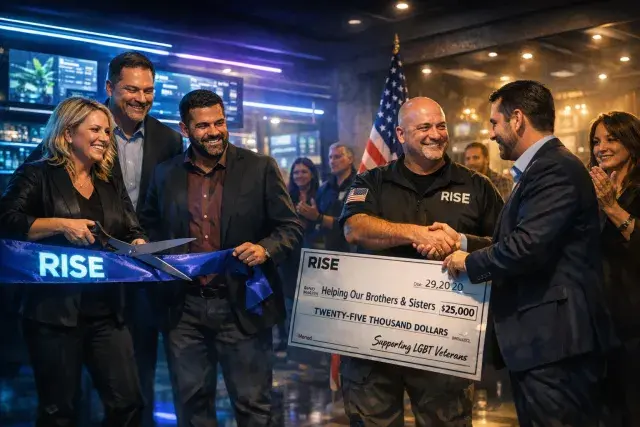
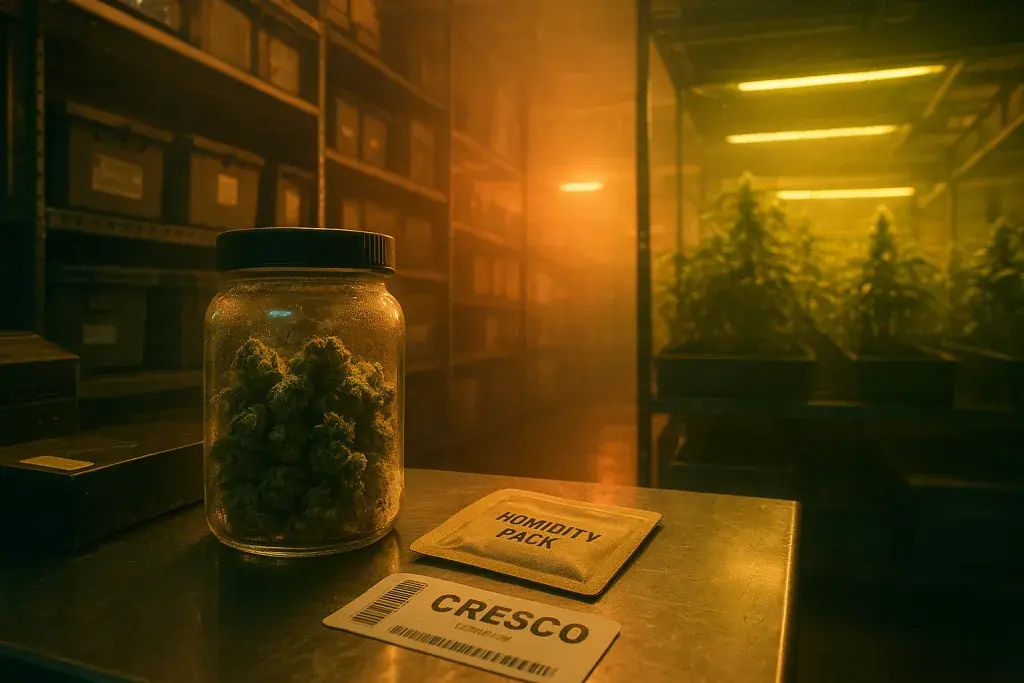
For the first time in the company's history, Cresco Labs' dispensary, cultivation, and processing operations are federally recognized - a direct result of the U.S. government's rescheduling of medical cannabis from Schedule I to Schedule III under the Controlled Substances Act. The Chicago-based multi-state operator announced it has completed DEA registrations for certain state-licensed medical cannabis facilities across its footprint, following an expedited 60-day pathway the federal government established to accommodate eligible state-licensed operators. It's a small procedural step on paper. In practice, it signals something the cannabis industry has been waiting years to say out loud.
What the DEA Registration Actually Means
The mechanics here matter. When the DEA finalized the rescheduling of medical marijuana to Schedule III, it didn't simply reclassify a substance - it created an opening for state-licensed medical cannabis operators to bring their federal legal status into alignment with their existing state licenses, at least for certain designated activities. The 60-day expedited registration pathway is the mechanism. Cresco's registrations cover dispensary, cultivation, and processing operations, meaning the company now holds DEA registration across its core operational verticals serving medical cannabis patients.
That's a meaningful distinction from how cannabis businesses have operated since the industry's inception. State-licensed operators have always existed in a gray zone - fully compliant with state regulatory frameworks, running seed-to-sale tracking systems, submitting to product testing regimes, following compliant packaging and labeling requirements, and paying state excise taxes - while simultaneously operating outside any federal recognition whatsoever. DEA registration doesn't resolve every federal tension the industry faces, but it establishes a formal federal acknowledgment of the activity being conducted. For compliance professionals and legal teams at large operators, that's not a minor footnote.
The Compliance Architecture Behind the Registration
To understand why this matters operationally, consider what medical cannabis operators already manage on any given day. Cultivation facilities maintain detailed production records tied to state traceability systems. Processing operations document each product batch, cannabinoid content, and lab-tested certificate of analysis. Dispensaries track every gram through point-of-sale systems integrated with state inventory platforms - METRC being the most widely deployed. The compliance infrastructure was already there. What DEA registration adds is a federal layer of recognition sitting on top of an existing state-compliance stack.
For multi-state operators like Cresco, which runs vertical operations across multiple states, the registration process also involves navigating distinct state licensing frameworks that don't always map neatly onto each other. The fact that these registrations apply to "certain" facilities - not necessarily all locations - reflects that reality. Not every state-licensed facility may qualify under the current federal pathway, and the eligibility parameters of the 60-day mechanism are worth watching as more operators move through the process.
What It Changes - and What It Doesn't
To put it plainly: DEA registration under Schedule III doesn't make cannabis federally legal for adult use, doesn't remove all federal restrictions on interstate commerce, and doesn't resolve the banking and payments constraints that have plagued the industry for years. Cannabis businesses - even those now holding DEA registration for medical operations - still operate in a complicated federal environment. The SAFE Banking Act has not passed. 280E tax exposure remains a live issue for operators that also sell adult-use products under the same corporate structure, though Schedule III reclassification does carry implications for how businesses may be able to treat certain deductions going forward; that remains an area of ongoing legal and accounting analysis.
What the registration does change is the symbolic and operational register of legitimacy. CEO Charlie Bachtell framed it directly: "For the first time, the work we do is federally recognized." That framing matters to institutional investors, banking partners evaluating credit exposure, landlords assessing lease risk on cannabis-occupied properties, and insurance underwriters who have long priced cannabis operations at a premium precisely because of federal status ambiguity. None of those relationships change overnight. But federal recognition - however bounded - shifts the underlying risk calculus in ways that will work through contracts, lending terms, and institutional relationships over time.
An Industry Watching Closely
Cresco Labs is among the first multi-state operators to announce completed DEA registrations under the new pathway. Other licensed operators across the country - from regional single-state medical programs to large vertically integrated MSOs - are watching how the process unfolds. The 60-day expedited window was designed to move quickly, which suggests the federal government anticipated substantial interest from qualifying operators. Whether the pathway expands, whether adult-use operations gain any analogous recognition, and how state regulators respond to operators carrying both state and federal registrations are all open questions.
For dispensary owners and operators outside the MSO tier, the practical takeaway is this: the federal regulatory environment around medical cannabis is no longer static. The mechanisms being built now - registration pathways, rescheduling frameworks, potential banking reforms - will define what compliance looks like for licensed cannabis businesses for the next decade. Staying current with those developments isn't optional. It's the job.